Who Is a Cosmetologist and What Procedures Can They Perform?
Who Is a Cosmetologist and What Are Their Main Responsibilities?
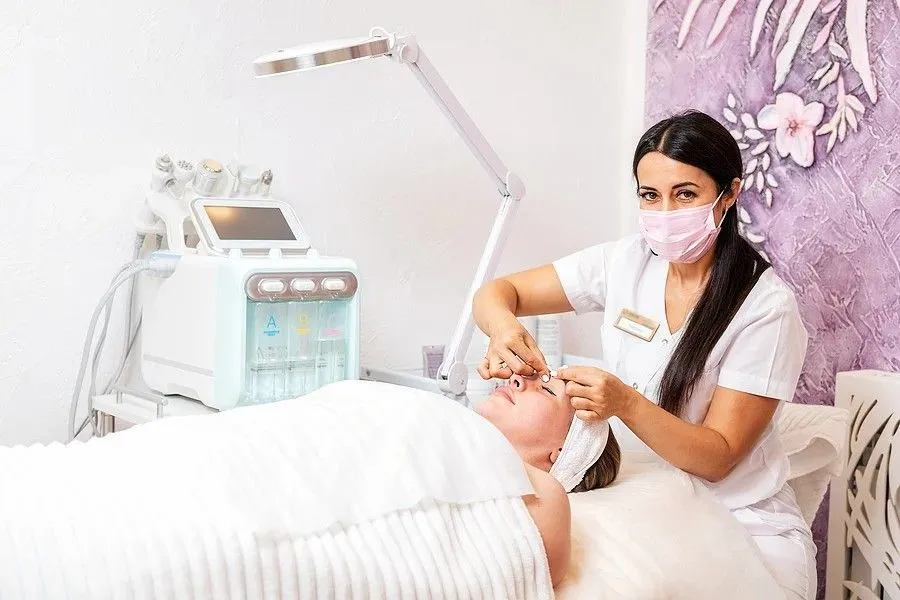
A cosmetologist is a trained professional who specializes in improving and maintaining skin, hair, and overall appearance. Their main responsibilities include performing skincare treatments, analyzing skin conditions, and recommending suitable cosmetic procedures. Cosmetologists work with clients to address concerns such as acne, aging, pigmentation, and dehydration. They also educate clients about proper skincare routines and product usage. Maintaining hygiene and safety standards is a crucial part of their role. Many cosmetologists use advanced cosmetic devices and professional-grade products. They must stay updated with the latest trends and technologies in cosmetology. Communication skills are essential to understand client expectations. Overall, cosmetologists help enhance both physical appearance and self-confidence.
What Skin Conditions Can a Cosmetologist Treat?
Cosmetologists can treat a wide range of common skin conditions using non-surgical methods. These include acne, blackheads, whiteheads, and enlarged pores. They also help manage hyperpigmentation, sun damage, and uneven skin tone. Dry, oily, and sensitive skin issues are frequently addressed by cosmetologists. Signs of aging such as fine lines, wrinkles, and loss of elasticity can also be improved. Some cosmetologists work with post-acne scars and mild rosacea. They provide treatments that support skin renewal and hydration. Regular cosmetology treatments can improve overall skin texture. However, severe medical conditions should be referred to a dermatologist.
Most Popular Procedures Performed by Cosmetologists
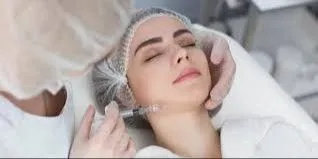
There are many popular procedures performed by cosmetologists in modern skincare clinics. Facial cleansing and deep pore cleaning are among the most common treatments. Chemical peels are widely used to improve skin tone and texture. Microdermabrasion helps exfoliate dead skin cells and boost skin renewal. Hydrating and anti-aging facials are highly requested by clients. Laser and light-based treatments are also becoming more popular. Mesotherapy and skin rejuvenation procedures support collagen production. Cosmetologists often perform non-invasive lifting treatments. These procedures aim to enhance natural beauty with minimal downtime.
Medical vs. Aesthetic Cosmetology: Key Differences
Medical cosmetology focuses on treatments that support or complement medical skin care. It often works alongside dermatology and may involve more advanced technologies. Aesthetic cosmetology, on the other hand, focuses on beauty and appearance enhancement. Medical cosmetology may address conditions like acne scars or pigmentation disorders. Aesthetic cosmetology includes facials, skin polishing, and relaxation treatments. The level of training and certification may differ between the two fields. Medical cosmetology usually requires collaboration with licensed medical professionals. Aesthetic cosmetology is more preventive and maintenance-oriented. Both play important roles in skin health and confidence.
How to Choose the Right Cosmetologist for Your Needs
Choosing the right cosmetologist is essential for safe and effective results. Always check their education, certification, and professional experience. Reading client reviews can help you understand their reputation. A good cosmetologist should provide a detailed skin analysis before treatment. They should explain procedures clearly and set realistic expectations. Hygiene and clinic cleanliness are also very important factors. Ask about the products and devices they use. Personalized treatment plans indicate professionalism. The right cosmetologist will prioritize your skin health and comfort.