Jowls without fillers: what modern aesthetics offers
Why jowls appear
Jowls — sagging skin and soft tissue along the jawline — are one of the most common reasons patients see an aesthetic doctor. They result from several age-related changes at once:
- the skin loses moisture, density and elasticity;
- collagen and elastin production slows down;
- facial fat compartments change and shift downwards;
- the supporting structures of the face lose volume with age.
As a result, the jawline becomes less defined and the corners of the mouth may turn down.
Non-surgical approaches
Depending on how pronounced the changes are, doctors may use different methods, often in combination:
- Improving skin quality — biostimulation and biorevitalisation to restore hydration, density and elasticity;
- Volume restoration with fillers in selected areas;
- Thread lifting;
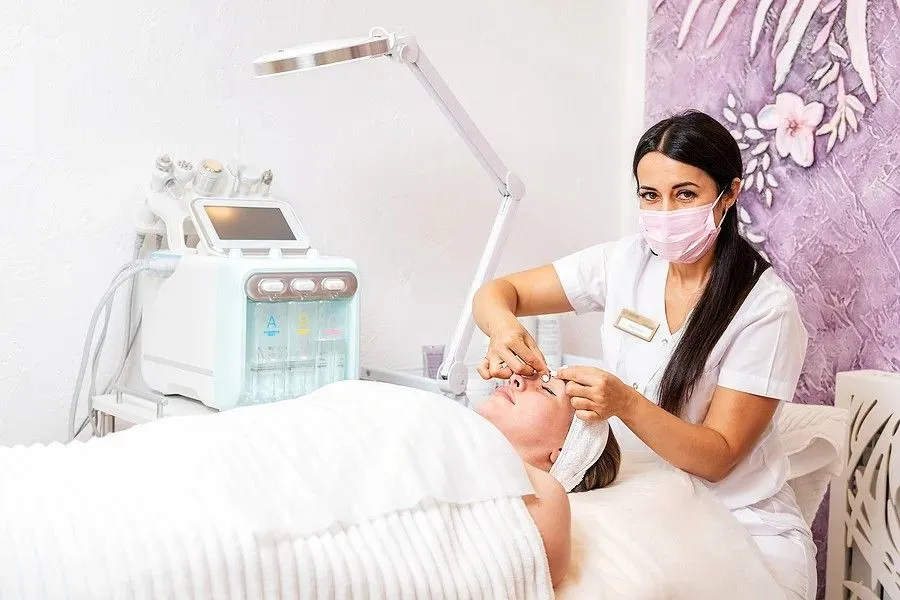
- Hardware procedures — for example ultrasound or radiofrequency lifting.
Pronounced tissue sagging may require a surgical consultation. The method is always chosen individually after examination.
Where biostimulation helps
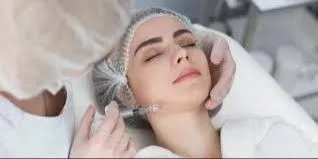
When jowls are mainly related to a loss of skin density and elasticity, improving skin quality can make the lower face contour look more defined — without changing the patient's natural features.
Bleaming S by RA is a dermal biostimulator with sodium hyaluronate 24 mg/ml, niacinamide, glutathione, adenosine and copper tripeptide-1. It is injected into the deep dermis, and its recommended indications include jowl correction, jawline definition and lifting the corners of the mouth, as well as forehead and neck lines.
For medium and deep wrinkles, folds and marionette lines, Bleaming M may be considered.
This article is intended for healthcare professionals. To request documents, training or supply terms, contact us.